Is ChatGPT a viable option for medical coding?
Summary: No. ChatGPT is great for research and content writing, but it does not have the AMA licensing or CMS software updates to supply you with valid and real-time coding information. In the intricate realm of medical billing and coding, accuracy and up-to-date data are crucial pillars. Although ChatGPT, a sophisticated AI language model developed by OpenAI, boasts a wide-ranging database of general knowledge and support across various fields, it lags behind specialized software such as iVECoder, especially in medical billing and claims. Various factors underline why iVECoder, with AMA licensing and consistent updates aligned with CMS and AMA protocols, outshines in this particular function.
What is ChatGPT really?
ChatGPT is a powerful AI-driven conversational assistant based on large language models (LLMs). It operates through machine learning—trained on vast amounts of publicly available internet text, and generates responses by predicting patterns and language associations. ChatGPT is not licensed by the AMA or CMS, does not provide real-time coding updates or compliance safeguards, and primarily functions as a generalist tool rather than a dedicated healthcare engine.
Free vs Paid Versions of ChatGPT
Free version – This level grants users access to GPT-3.5, a capable language model for basic content generation, casual inquiries, and general-purpose Q&A. However, it lacks integration with plugins, coding tools, or advanced research features. It also operates on a static knowledge base that does not include current-year regulatory changes, medical billing codes, or CMS/AMA updates.
Paid ChatGPT Plus (agent mode) – Subscribers gain access to GPT-4, a more advanced model capable of more prolonged, more context-aware interactions. It can use built-in tools such as a code interpreter or a browser (in some configurations), and it supports limited plugin integration. However, while more responsive and powerful, it still does not offer verified clinical data, AMA licensing, or real-time coding validation—making it unsuitable for compliance-based healthcare tasks.
Paid enterprise with deep research – This model is used by organizations that purchase custom deployments of GPT-4 and may integrate it with private datasets or internal tools. Some health systems experiment with this tier to analyze documentation patterns or augment administrative workflows. However, even in these enterprise use cases, ChatGPT is not AMA-licensed and cannot act as a standalone medical coding tool. It requires extensive safeguards, audits, and human review to remain compliant.
Why ChatGPT falls short with medical coding
Coding standards are not static. CPT®, ICD-10, and HCPCS Level II codes are revised annually, and CMS regulations are updated quarterly. ChatGPT’s training cutoffs prevent it from incorporating these updates in real time—meaning its code guidance may be outdated or invalid the moment a new rule takes effect. Mistakes in billing codes can lead to claim rejections or denials, compliance flags, revenue leakage, and triggered payer audits. Relying on a general-purpose tool for a specialized, highly regulated task introduces unacceptable risk.
Quarterly coding updates problem
iVECoder is built specifically for medical coding and billing. Its algorithms and databases are optimized to handle the intricacies of medical terminology, coding standards, and billing requirements. This specialization ensures a higher degree of accuracy and reliability. In contrast, ChatGPT, while versatile, is a generalist tool. Its broad scope of knowledge can sometimes lead to inaccuracies when dealing with highly specialized fields like medical coding.
Terminated codes problem
Errors in medical coding can lead to claim rejections, delayed payments, and compliance issues. iVECoder minimizes these risks by providing precise and validated coding suggestions. ChatGPT, despite its advanced capabilities, lacks the rigorous validation processes inherent in specialized coding software. As a result, relying on ChatGPT for medical coding can increase the likelihood of costly errors.
Search prompts have to be clearer
iVECoder is a stand-alone portal where it is impossible to input any patient information. In ChatGPT and other AI platforms you can upload or type anything you want. In iVECoder you can only insert codes.
Is there an AI AMA-compliant software?
Yes, iVECoder® is a purpose-built coding software designed to meet the strict requirements of CMS and AMA.
iVECoder uses curated, AMA-licensed datasets with CMS NCCI and policy edits layered into its rules engine. Unlike open-ended AI models, it doesn’t guess. It confirms. It provides structured coding workflows, flags incompatibilities and modifier issues in real time, and includes pre-billing audits and code validation checkpoints.
By continuously incorporating AMA and CMS updates, iVECoder reduces the risk of upcoding or undercoding, code mismatches, modifier misuse, and violations of outdated policies. Its design prevents risky billing behavior before claims are ever submitted.
iVECoder is fully compliant with HIPAA standards and, unlike generative AI models, does not process unstructured patient data via external networks. It stores audit trails for every coding decision, operates within a protected, non-Internet-facing environment, and avoids sending sensitive data to third-party APIs or training pipelines.
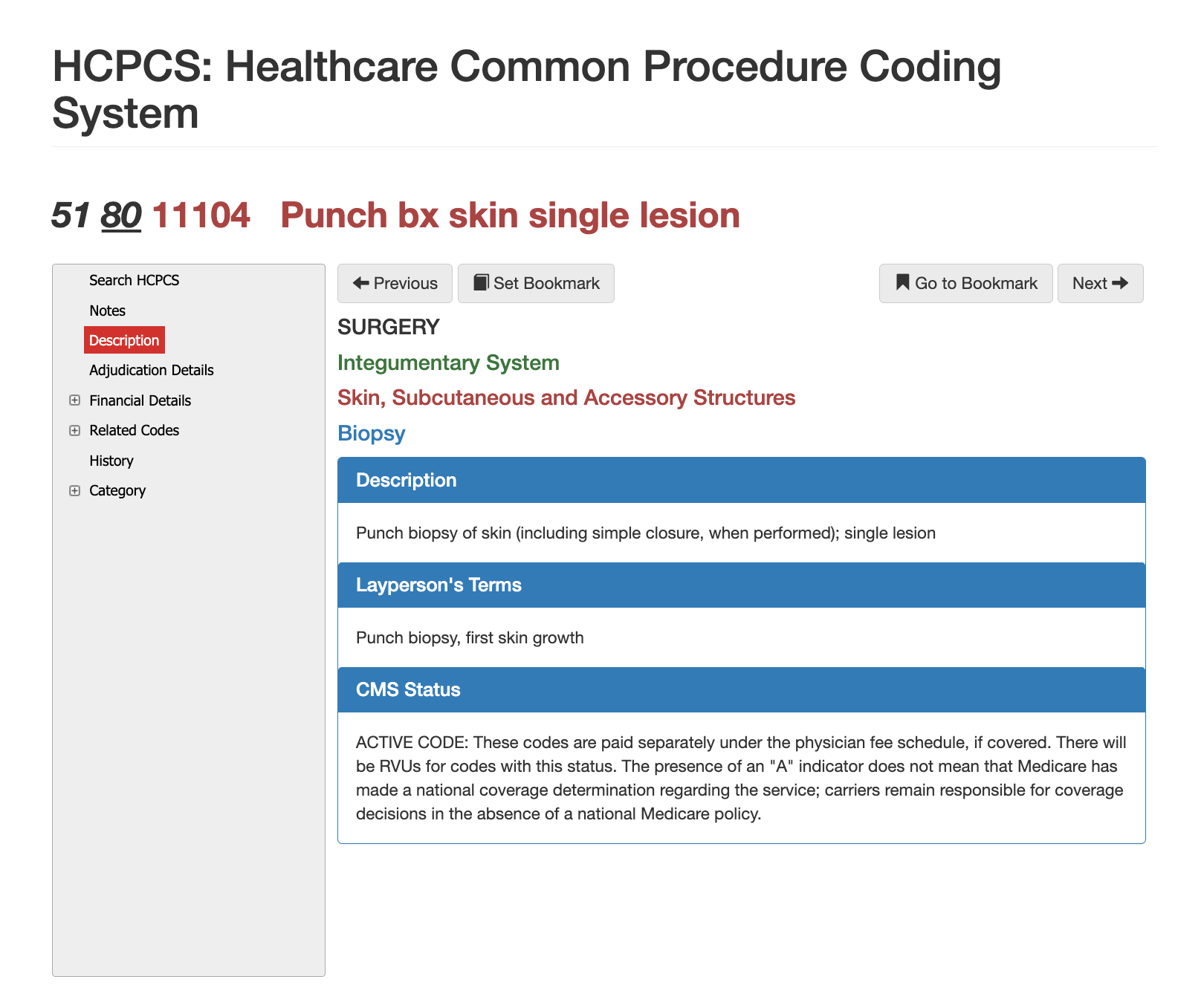
Designed for Coding Precision
iVECoder is built specifically for medical coding and billing. Its algorithms and databases are optimized to handle the intricacies of medical terminology, coding standards, and billing requirements. This specialization ensures a higher degree of accuracy and reliability. In contrast, ChatGPT, while versatile, is a generalist tool. Its broad scope of knowledge can sometimes lead to inaccuracies when dealing with highly specialized fields like medical coding.
Error Minimization
Errors in medical coding can lead to claim rejections, delayed payments, and compliance issues. iVECoder minimizes these risks by providing precise and validated coding suggestions. ChatGPT, despite its advanced capabilities, lacks the rigorous validation processes inherent in specialized coding software. As a result, relying on ChatGPT for medical coding can increase the likelihood of costly errors.
PHI Compliant
iVECoder is a stand-alone portal where it is impossible to input any patient information. In ChatGPT and other AI platforms you can upload or type anything you want. In iVECoder you can only insert codes.
Final Thoughts on ChatGPT, AI, Medical Coding
If your organization is committed to clean claims, coding compliance, and minimizing audit risk, ChatGPT is not a viable option for your coding operations. It is fantastic for remedial research and non-PHI/HIPAA-related tasks, but for medical coding, iVECoder is the only option for billers, clinics, hospitals, and RCM companies.
About PCG
For more than 30 years, PCG Software has helped health plans, provider organizations, and delegated entities improve coding accuracy, payment integrity, compliance, and fraud, waste, and abuse detection through payer-focused software and claims auditing expertise.
Click to share with others